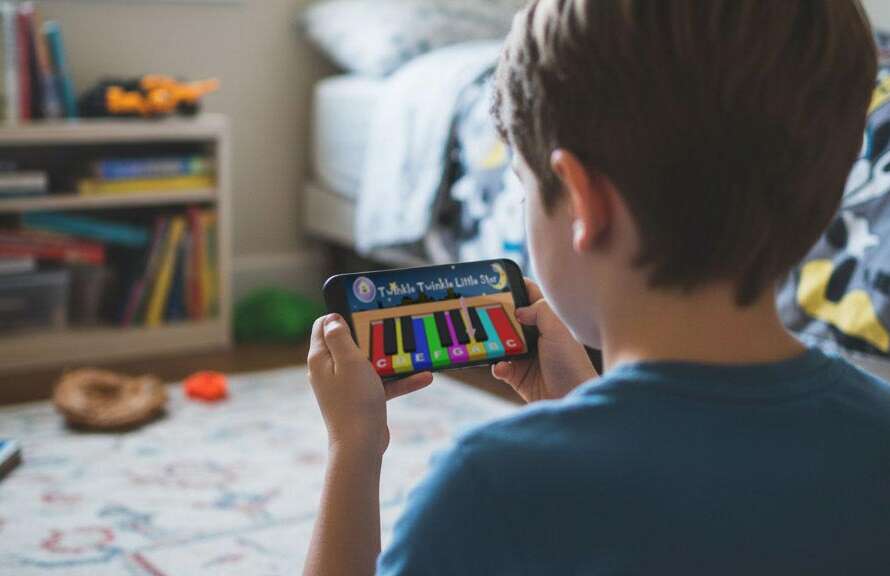
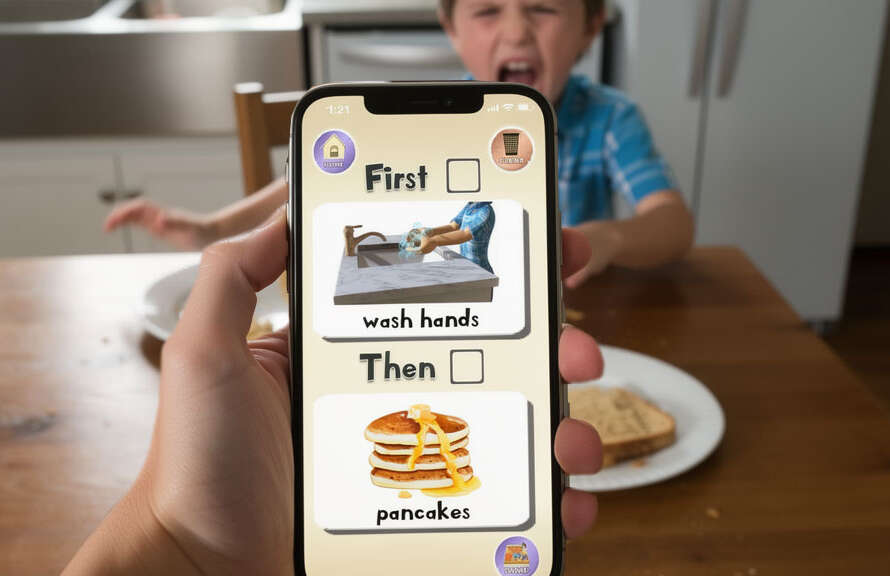
In today’s world, screens are everywhere. Many parents worry that letting their children watch videos — even educational ones — may harm their development. We often hear that “screen time is bad,” and while too much passive, unstructured viewing can be harmful, the full picture is more balanced than that.
The truth is this: not all screen time is the same. When used thoughtfully, educational videos and nursery rhymes can actually support early childhood development in meaningful ways.
The key is quality, intention, and balance.
Health organizations often recommend limiting screen time for young children. These guidelines exist because excessive screen exposure can reduce physical activity, limit real-world interaction, and interfere with sleep.
However, those same recommendations also recognize that high-quality, age-appropriate educational content, especially when co-viewed with parents, can have benefits.
The problem is not screens themselves.
The problem is unstructured, overstimulating, or purely entertainment-based content.
When videos are designed intentionally for learning — especially for early childhood development — they can support important skills.
Educational Videos Can Support Early Learning
1. Language Development
Young children learn language by hearing repetition, rhythm, and clear pronunciation. Educational videos and nursery rhymes often repeat:
- Numbers
- Letters
- Animal names
- Colors
- Shapes
- Simple sentences
Repetition strengthens memory. Rhythmic songs make words easier to remember. Clear, slow narration helps children process language more effectively.
For children who are visual learners — or who benefit from structured presentation — educational videos can reinforce vocabulary in a predictable and comforting way.
2. Early Math Skills
Counting songs and number-based videos introduce:
- Number recognition
- Counting sequences
- Basic addition concepts
- One-to-one correspondence
When numbers are paired with visual objects (like counting apples or animals), children begin forming connections between symbols and quantities.
Even simple exposure builds familiarity. And familiarity builds confidence.
3. Cognitive Development
Well-designed educational content can help children:
- Recognize patterns
- Understand cause and effect
- Follow simple instructions
- Improve memory recall
For example, a video that asks, “Can you find the red circle?” encourages active participation rather than passive watching.
The brain thrives on interaction — even small prompts make a difference.
4. Emotional and Social Learning
Nursery rhymes and bedtime stories often teach:
- Kindness
- Sharing
- Patience
- Honesty
- Empathy
Stories provide safe examples of social situations. Children can observe behaviors and outcomes in a low-pressure way.
Music also plays an emotional role. Gentle melodies and familiar rhythms can soothe anxiety and create positive associations with learning.
5. Support for Visual Learners
Some children learn best by seeing concepts demonstrated visually. Bright, clear illustrations combined with spoken explanation can strengthen comprehension.
For children with different learning styles — including many on the autism spectrum — structured, predictable videos can feel safer than fast-changing, overstimulating content.
Consistency matters. Calm pacing matters. Clear visuals matter.
When content is created with intention, it can support diverse learning needs.
Nursery Rhymes: More Than Just Songs
Nursery rhymes may seem simple, but they offer surprising developmental value.
They help build:
- Phonemic awareness (hearing sound patterns in words)
- Memory skills
- Rhythm recognition
- Early reading foundations
Rhyming words train children to hear similarities in sounds. That skill becomes essential when learning to read.
Songs also strengthen listening skills. A child learns to wait for their turn in a call-and-response format. They begin anticipating patterns.
Music activates multiple areas of the brain at once — language, memory, and emotion.
That’s powerful learning.
The Importance of Balance
It’s important to be realistic.
Educational videos are not a replacement for:
- Outdoor play
- Hands-on exploration
- Parent-child conversation
- Real-world interaction
They are a supplement — not a substitute.
When used intentionally:
- Short sessions
- Calm content
- No autoplay spirals
- Discussion afterward
Videos can become one helpful tool among many.
Not all “educational” videos are created equal.
Helpful content should be:
- Age-appropriate
- Clearly narrated
- Visually organized
- Slow enough to process
- Free from overwhelming effects
- Designed with learning goals in mind
Overstimulating animations, loud sound effects, and rapid scene changes may grab attention — but they don’t always support comprehension.
Children benefit more from clarity than chaos.
Noodle Kidz Videos Are Designed Differently
At Noodle Kidz, the goal is simple: create educational content that supports early development in a calm, structured, and engaging way.
Noodle Kidz videos are tailored specifically to help children:
- Learn counting and basic math
- Recognize shapes and colors
- Discover animals and objects
- Explore early science concepts
- Enjoy nursery rhymes and bedtime stories with positive morals
1. Clear and Focused Visuals
Each video uses clean visuals that highlight the concept being taught. There is no unnecessary distraction pulling attention away from learning.
2. Step-by-Step Learning
Concepts are introduced gradually. Counting progresses logically. Shapes are shown clearly. Science ideas are explained simply.
Children are not rushed through information.
3. Repetition for Reinforcement
Important words and concepts are repeated intentionally. This helps build memory retention and confidence.
4. Calm and Predictable Structure
Predictability is especially helpful for many children, including those who benefit from structured environments.
Noodle Kidz videos aim to feel safe, understandable, and consistent.
5. Support for Visual and Autism-Friendly Learning
The content is designed with visual learners in mind. Concepts are shown clearly, spoken clearly, and presented at a manageable pace.
The goal is to reduce overwhelm and increase clarity.
When Videos Become a Shared Experience
One of the best ways to maximize the benefit of educational videos is to watch together.
Parents can:
- Count along
- Ask simple follow-up questions
- Repeat words together
- Connect video lessons to real-life examples
For example:
“Can you find something blue in our house?”
“How many apples are on your plate?”
This turns passive viewing into active learning.
A Balanced Perspective
Educational videos and nursery rhymes are not inherently harmful. When chosen carefully and used in moderation, they can:
- Reinforce early academic skills
- Support language development
- Encourage emotional growth
- Provide structured learning moments
- Spark curiosity
The key is intentional use.
Children thrive when learning is joyful, supportive, and balanced. Screens should not replace real experiences — but they can complement them.
Final Thoughts
In a digital world, it’s unrealistic — and unnecessary — to eliminate screens entirely. Instead, the focus should be on choosing high-quality, developmentally appropriate content that truly supports children’s growth.
Educational videos and nursery rhymes, when designed thoughtfully, can be small but meaningful tools in early childhood development.
Noodle Kidz was created with that purpose in mind — to provide safe, engaging, visually clear learning experiences that help children build confidence and curiosity.
Learning can be fun, learning can be gentle, and learning can happen in many ways — including through the right kind of screen time.
And when used wisely, those moments can help children take small, steady steps forward in their early learning journey.